‘Waves of Knowing’ challenged me to consider how best to utilise design to achieve a specific goal. Focusing on sewage in Wales, I chose to explore eutrophication as a key issue. My solution was a collaborative task force: Clir Cymru.
The first part of the project focused on creating lasting behaviour change. I conducted in-depth research into scientific studies, government policy, stakeholders, and the structure and budget of water companies to ensure my solution to eutrophication in Wales was both feasible and fully funded.
Given the depth of research and analysis, I carefully considered how to use information design to clearly communicate the problem, key stakeholders, proposed solution, and service map.
Eutrophication is the process in which harmful algae blooms are formed due to excess nutrients from pollutants in waterways.
Skills
Information Design Branding Strategy Research
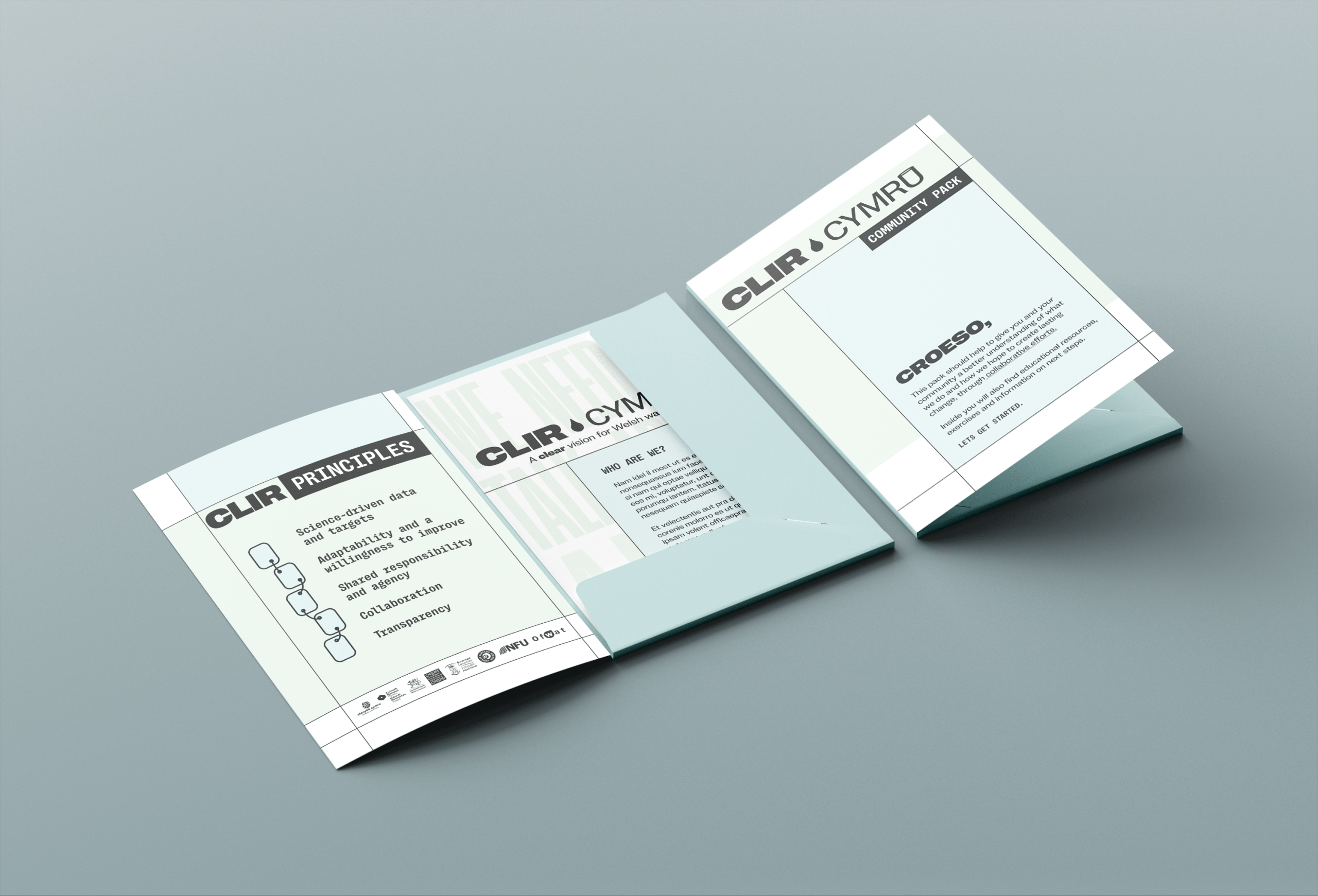
Clir Cymru (Clear Wales) is a taskforce inspired by similar historic solutions to eutrophication, focusing on creating systemic change and collaborating with various groups rather than adopting a more individualistic approach.
The project deliverables consist of four boards, outlining the problem, stakeholders, solution and service map.
Additional outcomes include brand assets and ephemera for the taskforce.
Part two of the project focused on creating disruption, using design to encourage people to think critically about this issue.
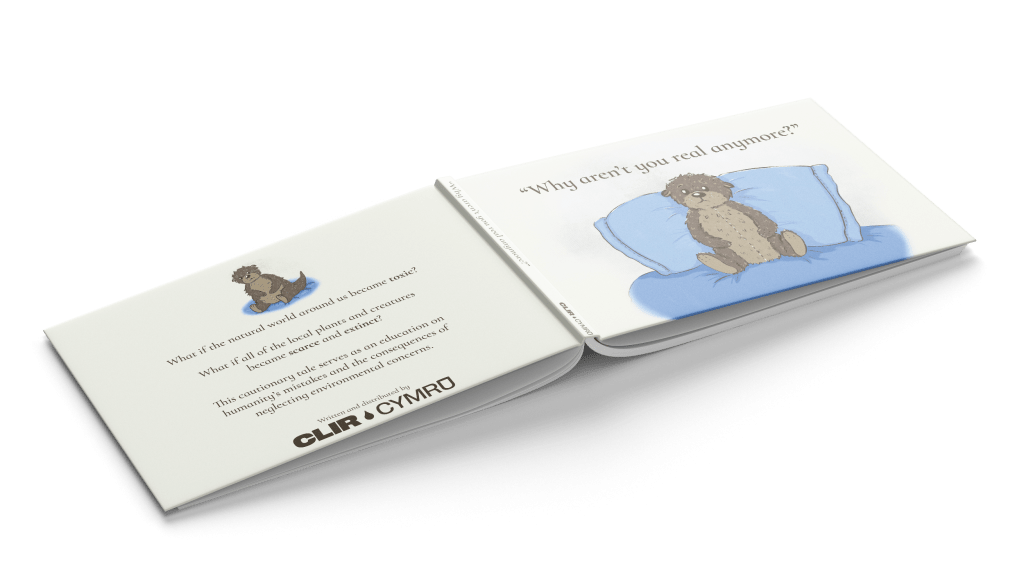
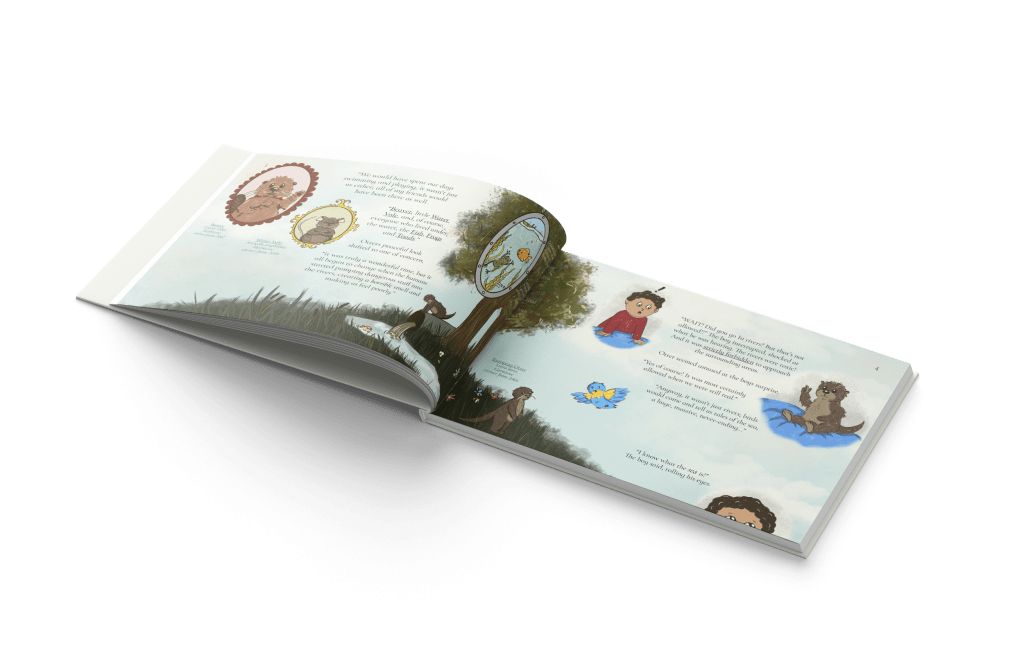
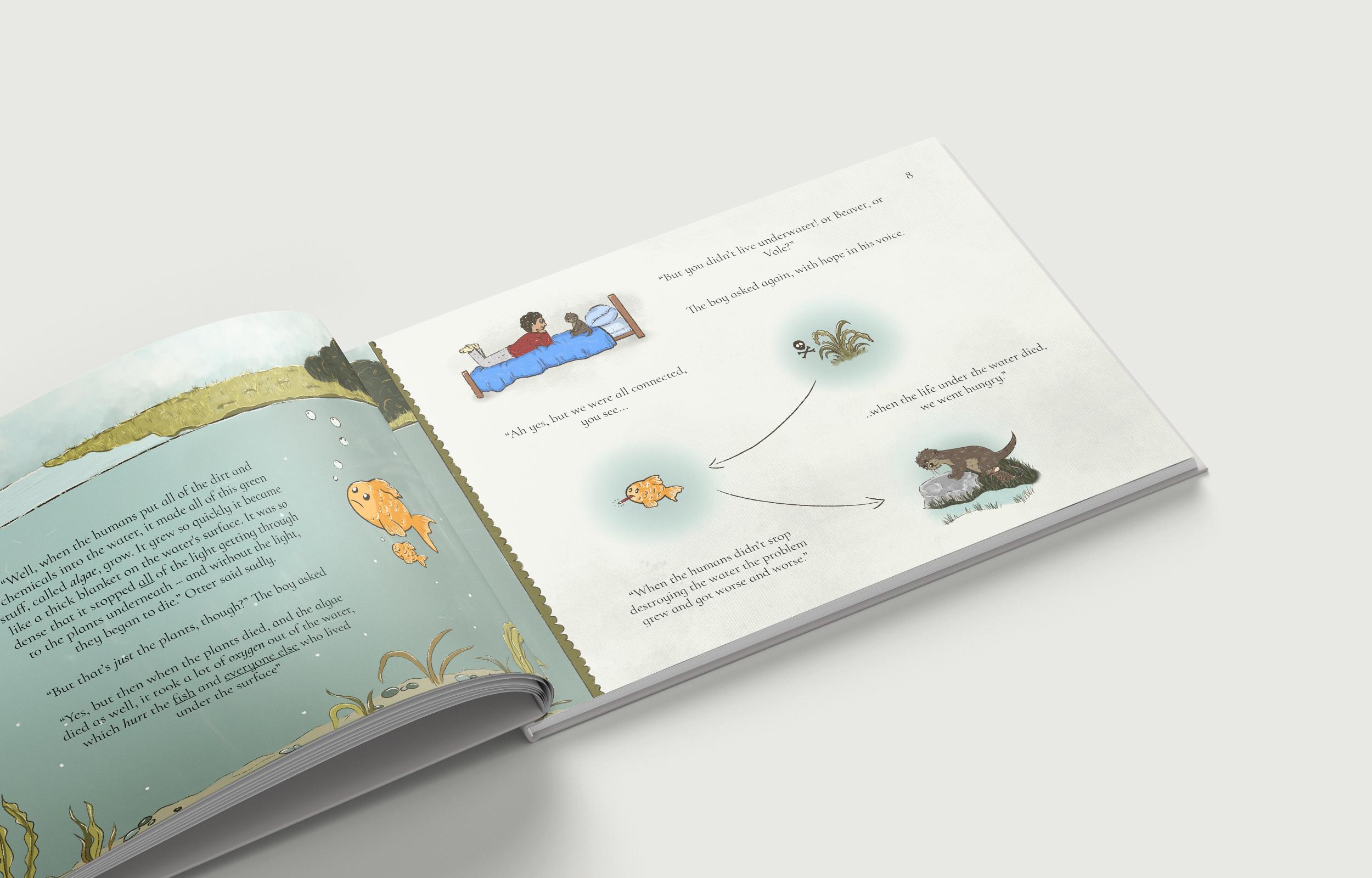
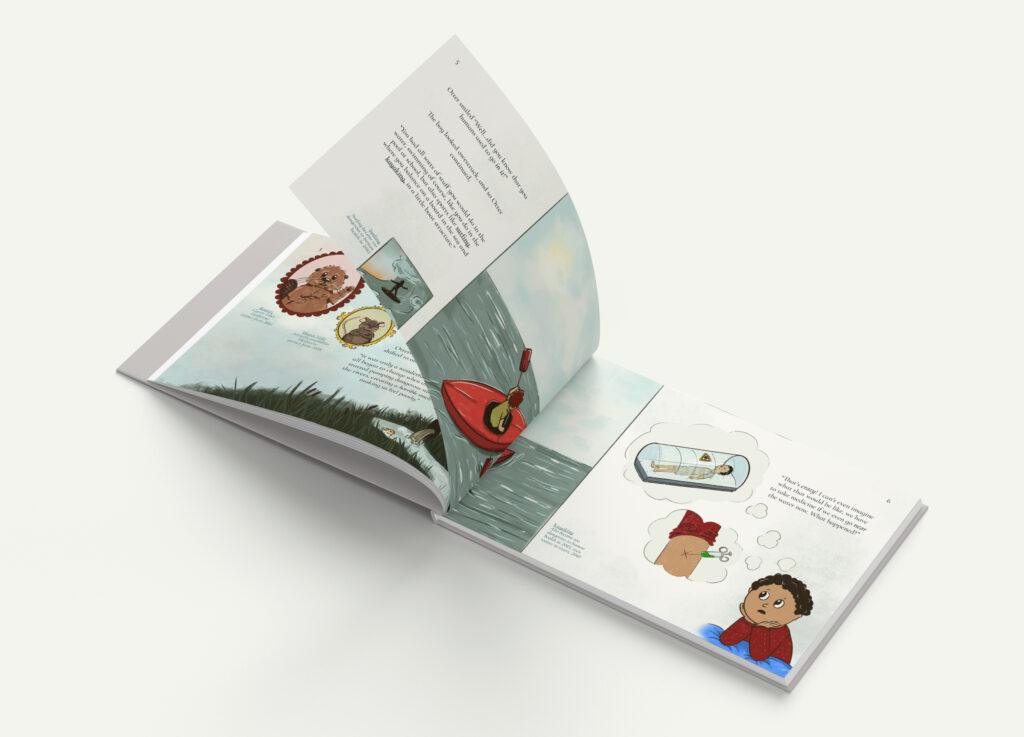
For this section, whilst continuing toaddress eutrophication, I decided to pursue a piece of speculative design by writing and illustrating a children’s book.
Why aren’t you real anymore? is set in the near future, where many of the woodland and river-based creatures we know have become extinct and the waterways themselves are toxic.
The book would work as a piece of disruptive design, distributed by the taskforce Clir Cymru as part of its education scheme.
Targeted at parents, the strategy behind the book is creating a sense of sadness and concern, achieved by using the hypothetical audience of children.